
Echoes of Legends
A documentary film
Music + Memory + Connection
For tens of thousands of years, humans have used music to connect and belong. Echoes of Legends examines the power of experiencing familiar music live: what it does for our brains, our communities and our humanity, reminding us why the music we love must live on in an increasingly digital world.
Film Synopsis
ECHOES OF LEGENDS enters the global world of tribute artists and the devoted fans who gather to experience the music they love. Through live performances, backstage access, intimate conversations and scientific research, the film follows the people keeping familiar music alive while asking a larger question: why, when almost any song is available to us instantly, do we still need to experience music together?
The film opens backstage with an Elvis tribute artist. He adjusts his jumpsuit, fastens a necklace and prepares to walk onstage as fans enter the theater and find their seats. Moments later, the opening notes of “Burning Love” fill the room. The Elvis tribute artist steps into the spotlight and the audience rises to its feet, transported back to 1973.
Elvis helped spark what would eventually become the modern tribute artist world. From there, the film travels through its history and evolution, meeting performers who have dedicated years of their lives to keeping legendary music onstage. Robbie Howard has performed the music of Frank Sinatra and other legendary entertainers for more than four decades. Donny Edwards has built a career honoring Elvis Presley. The Liverpool Legends carry forward the music of The Beatles, while other performers embody artists including Rod Stewart, Barbra Streisand, Neil Diamond and Dolly Parton. Through their stories, we begin to understand the dedication behind an industry often dismissed as impersonation and the audiences who return to see them year after year.
The fans become as important to the story as the performers. Inside these theaters, strangers sing, dance, laugh and reminisce together. We meet audience members who attach particular songs to marriages, childhoods, people they have lost and moments they want to remember. What begins as a film about performers recreating legendary music gradually becomes an exploration of what familiar music allows audiences to recreate within themselves.
That question leads the film to neuroscientist Dr. Kiminobu Sugaya, whose research explores the relationship between music and the brain. Alongside interviews about memory, dopamine and cognitive aging, we plan to follow audience members before and after two live tribute performances to examine what happens when familiar music is experienced collectively. The results of those studies are unknown and could change the direction of the film. Will the research support what audiences describe emotionally? And is the response coming from the familiar music itself, the communal experience, the interaction with a live performer, or a combination of all three?
As the film progresses, another question begins to emerge: what happens to this world when the generations who first experienced these legendary musicians are no longer its primary audience? Younger tribute artists are already performing the music of contemporary stars, while new generations are discovering older music in ways their parents and grandparents never did. Whether the tribute tradition continues naturally from one generation to the next remains an unfolding part of the story.
In the film's final act, that uncertainty meets an even larger shift. AI can now recreate voices and performances, while holograms and digital productions can place versions of artists back onstage long after the original performer is gone. These technologies raise a question the film cannot yet answer: if audiences can experience an increasingly convincing digital version of a legendary artist, will they still choose a human tribute artist?
The answer may lie inside the theaters we have been visiting all along. A live performer can make eye contact with someone in the audience, wink, react to a fan and respond to the energy of a room. Hundreds of strangers can recognize the opening notes of the same song and experience the memory together. Whether technology can reproduce that human exchange or whether future audiences will even require it remains unknown.
ECHOES OF LEGENDS begins with the people keeping legendary music alive, but its direction will ultimately be shaped by the people experiencing it. The neuroscience research, the changing generations of fans and the rapid development of AI will steer the film toward its final question: as technology changes how we experience music, what part of the live experience are humans unwilling to give up?
I've always believed music lives on through people and shared experiences. A familiar song can bring us back to a person, a place or a moment in our lives we thought we had forgotten.
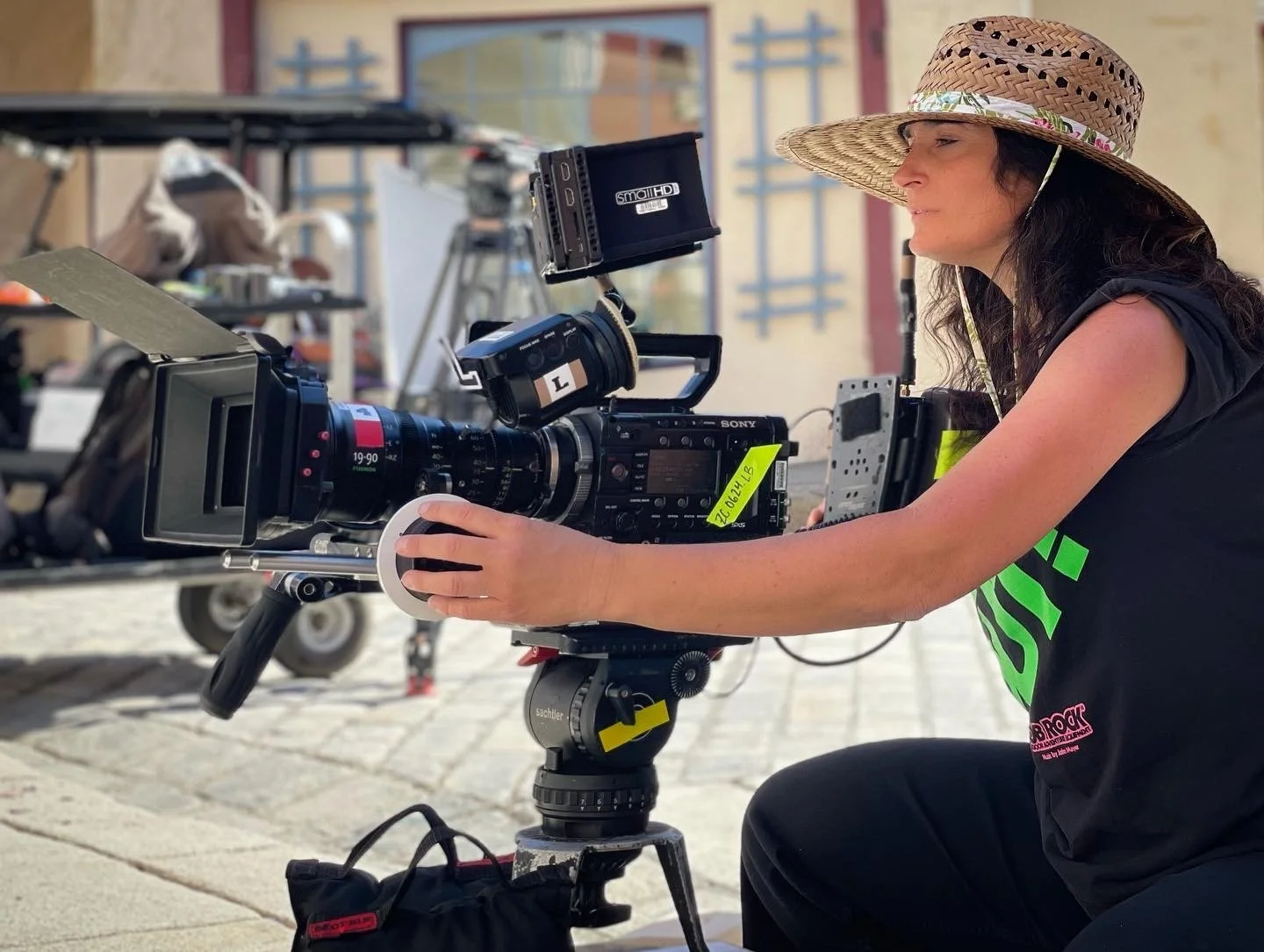
I was initially drawn to the world of tribute artists because of their incredible dedication to keeping this music alive. I wanted to understand how they found their way into these roles, what it takes to honor artists whose music means so much to so many people, and why audiences continue to return year after year. But as I began filming ECHOES OF LEGENDS, I realized I was making a film about something much bigger: connection.
Inside these theaters, I watched strangers sing together, dance together and share memories through songs they have known for decades. I became fascinated not only by what familiar music does to our brains and memories, but by what happens when we experience it together, live. There is something profoundly human about a performer looking into an audience, making eye contact with someone and receiving that person's energy in return.
As more of our lives and entertainment move onto screens, and AI and technology begin changing what a performance can be, I find myself wondering what parts of this experience we cannot replace.
My hope is that ECHOES OF LEGENDS reminds us why familiar music matters, why experiencing it together matters and why keeping it alive for future generations matters. If someone leaves the film remembering a song they shared with someone they love or wanting to walk into a local theater and experience live music with other people, then I will feel like we accomplished what we set out to do.
— Shanra J. Kehl
Producer/Director